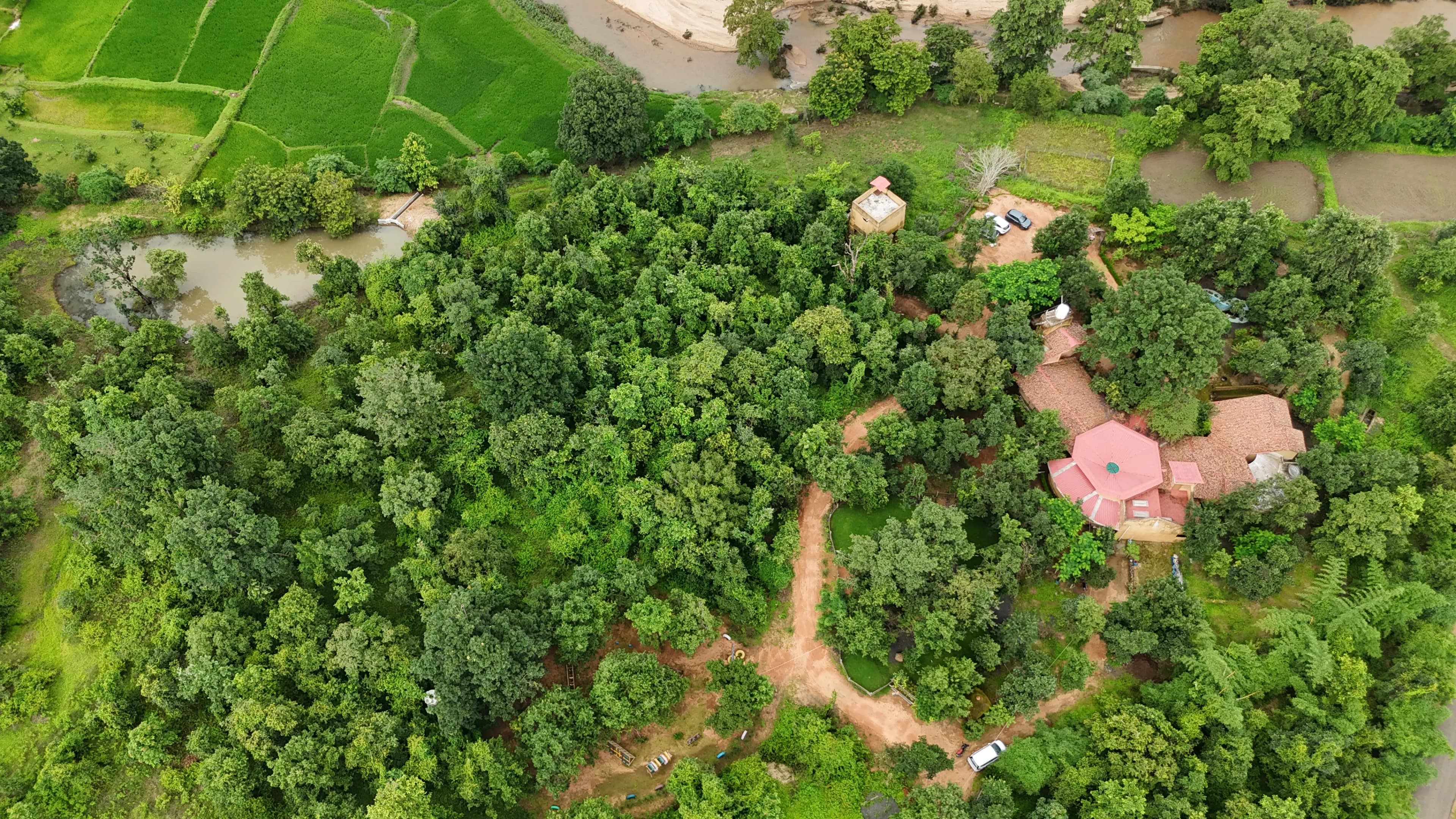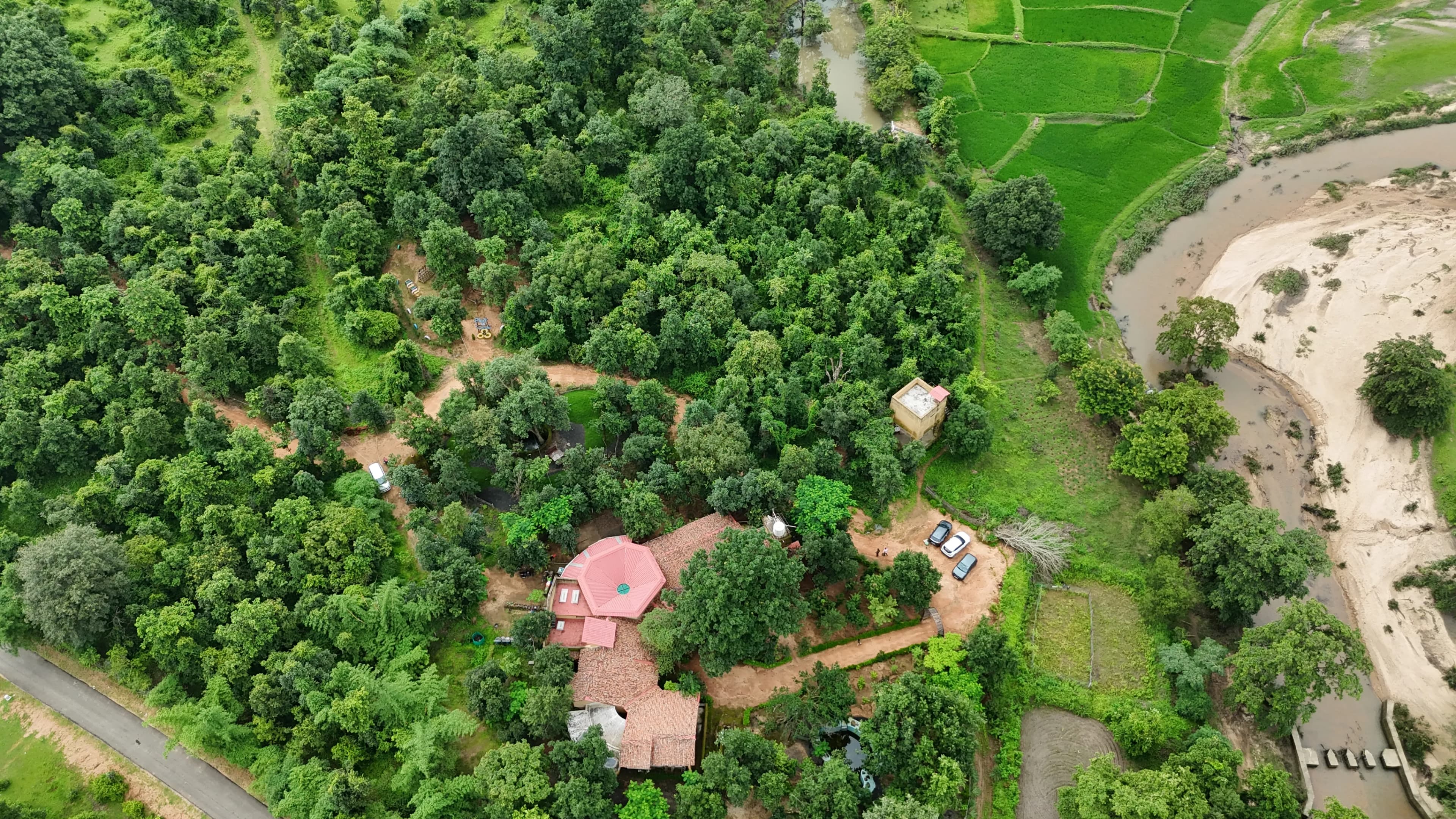
If you have started looking at Kanha safari zones and bookings, you have probably met a confusing mix of names: Kanha, Kisli, Khatia, Mukki, Khapa, Sarhi, Sijhora, Phen. Some are zones, some are gates, and one name, Kanha, is a zone, a village, a national park and a tiger reserve all at once.
This guide untangles it. By the end you will know how the reserve is organised, which gate leads to which zone, how core and buffer safaris differ, and how to choose zones that make sense for where you are staying. We have written it from the point of view of our guests at Surwahi, about 20 km from Khatia gate, but the logic applies wherever you stay.
The short version
According to the Madhya Pradesh Forest Department, Kanha Tiger Reserve has eight safari zones:
There are three tourist entry gates: Khatia, Mukki and Sarhi. Your permit is issued for a specific zone and session (morning or afternoon), and each zone is entered through a particular gate. That single fact explains most of the confusion people run into.
Core zones: the heart of the reserve
The core is the strictly protected heart of the tiger reserve. Villages were relocated out of it over the decades, vehicle numbers are capped per session, and the habitat is managed for wildlife first. Our two family suites, Jholar and Kariwah, are named after two villages that were relocated out of the park in the 1970s, a reminder that this protection came at a real human cost.
Kanha zone
The zone that gave the park its name and its reputation. Kanha zone holds the famous Kanha meadows, wide grasslands where herds of chital and the rare hard-ground barasingha graze in the open, and where tigers are regularly seen crossing or resting at the edges. It is central, so it can be reached from more than one gate: most visitors enter through Khatia, and Mukki gate also allows entry to Kanha zone, but only on morning safaris.
Why choose it: the classic Kanha landscape, excellent for barasingha, and consistently good for tigers.
Kisli zone
The western core zone, entered mainly from Khatia gate (Sarhi gate also allows entry, for morning safaris only). Kisli mixes dense sal forest with smaller meadows and stream beds. For our guests it is the closest core zone, which means a slightly later alarm clock on a morning safari.
Why choose it: proximity to the Khatia side, varied habitat, and often fewer vehicles than Kanha zone.
Mukki zone
The southern core zone, entered from Mukki gate. Mukki is wild, scenic and productive, and many regular visitors rate it among their favourite zones. The catch for anyone staying on the Khatia side is distance: Mukki gate is a long drive from Khatia, so it works best for people staying near Mukki or willing to start very early. From Surwahi, Mukki gate is roughly 35 km away.
Why choose it: beautiful terrain, good tiger history, and a quieter atmosphere at the gate.
Sarhi zone
Entered from Sarhi gate, Sarhi is the least visited core zone and has very few stays nearby. It suits travellers who want to avoid other vehicles and do not mind a longer journey.
Why choose it: solitude.
Buffer zones: underrated and easier to book
The buffer is the belt of forest and village land that surrounds the core. People live and farm here, and wildlife moves freely between the buffer and the core. Buffer zones are generally easier to book at short notice and, in our experience, are frequently excellent for leopard, sloth bear, gaur, dhole and birds. Tigers use the buffer too, and sightings there are far from rare.
If someone tells you a buffer safari is second best, ask them how many leopards they saw last season. A buffer drive is often more relaxed, with fewer vehicles, and the guides who work it know it intimately.
Gate-to-zone cheat sheet
| Gate | Core zones | Buffer zones |
|---|---|---|
| Khatia | Kanha, Kisli | Khatia |
| Mukki | Mukki, plus Kanha zone (morning safaris only) | Khapa, Phen (via Ghurri barrier) |
| Sarhi | Sarhi, plus Kisli zone (morning safaris only) | Sijhora |
This follows the MP Forest Department's own brochure for the reserve, but access arrangements can change from season to season, so we always confirm the current rules when we book permits for our guests.
How permits work
Safari permits are sold through the MP Forest Department's official online portal, and a limited quota is also handled at the gates. A few things to know:
We deliberately do not quote fees or exact gate times here. The Forest Department revises them, and an out-of-date number online causes more problems than it solves. When we book for you, we confirm the current figures first.
How to choose your zones
Here is how we usually plan safaris for guests staying at Surwahi:
1. Start with what is practical from your base. From Surwahi, that means Kanha zone, Kisli zone and the Khatia buffer, all through Khatia gate. 2. Mix core and buffer. Over three or four safaris, a combination usually gives the best overall experience: the meadows of Kanha zone, the forest of Kisli and the predators of the buffer. 3. Repeat a zone if you are a photographer. Returning to the same zone in different light, and following up on recent movements, can pay off. 4. Add Mukki for longer stays. On a four-night trip, an early start for a Mukki safari is worth it for keen wildlife watchers. 5. Stay flexible. If a core permit is unavailable, take the buffer. Wildlife does not read the zone map, and buffer drives regularly produce excellent sightings.
Morning or afternoon?
Morning safaris are longer and begin in the cool of dawn, when animals are most active and the light through the sal trees is beautiful. Afternoon safaris are shorter and often warmer, but they can be excellent in the hotter months, when animals move towards water late in the day. If you can do only one, choose a morning. If you can do several, do both.
Frequently asked questions
How many safari zones are there in Kanha National Park?
Eight. Kanha Tiger Reserve has four core zones (Kanha, Kisli, Mukki and Sarhi), three buffer zones (Khatia, Khapa and Sijhora) and the adjoining Phen sanctuary. Visitors enter through three gates: Khatia, Mukki and Sarhi.
Which is the best zone in Kanha for tiger sightings?
There is no single best zone. Kanha, Kisli and Mukki all have strong tiger records, and sightings shift as tigers move territory and cubs grow up. Mixing two or three zones over several safaris gives you better odds than booking the same zone every time.
Which Kanha gate is closest to Surwahi?
Khatia gate, about 20 km away. It serves the Kanha and Kisli core zones and the Khatia buffer. Mukki gate is roughly 35 km from Surwahi.
Is a buffer zone safari in Kanha worth it?
Yes. Buffer zones are easier to book at short notice, usually have fewer vehicles, and are often good for leopard, sloth bear, dhole and birds. Tigers use the buffer as well.
Are Kanha's core zones open all year?
No. Core zones close for the monsoon from 1 July until the October reopening, and they are closed on Wednesday afternoons. Buffer zones generally stay open longer, but individual routes can close after heavy rain, so check before you book.
Bringing it together
Kanha is big, and the zone system exists to protect it. Once you understand that permits are tied to zones, and zones to gates, the planning becomes simple: choose a base, choose the zones it serves best, mix core and buffer, and book early.
If you would like us to do the planning, our stay and safari packages include permit booking, jeep and guide. You can also read our full Kanha National Park guide or the practical safari booking guide. Before you go, check our season-by-season Kanha packing list.