
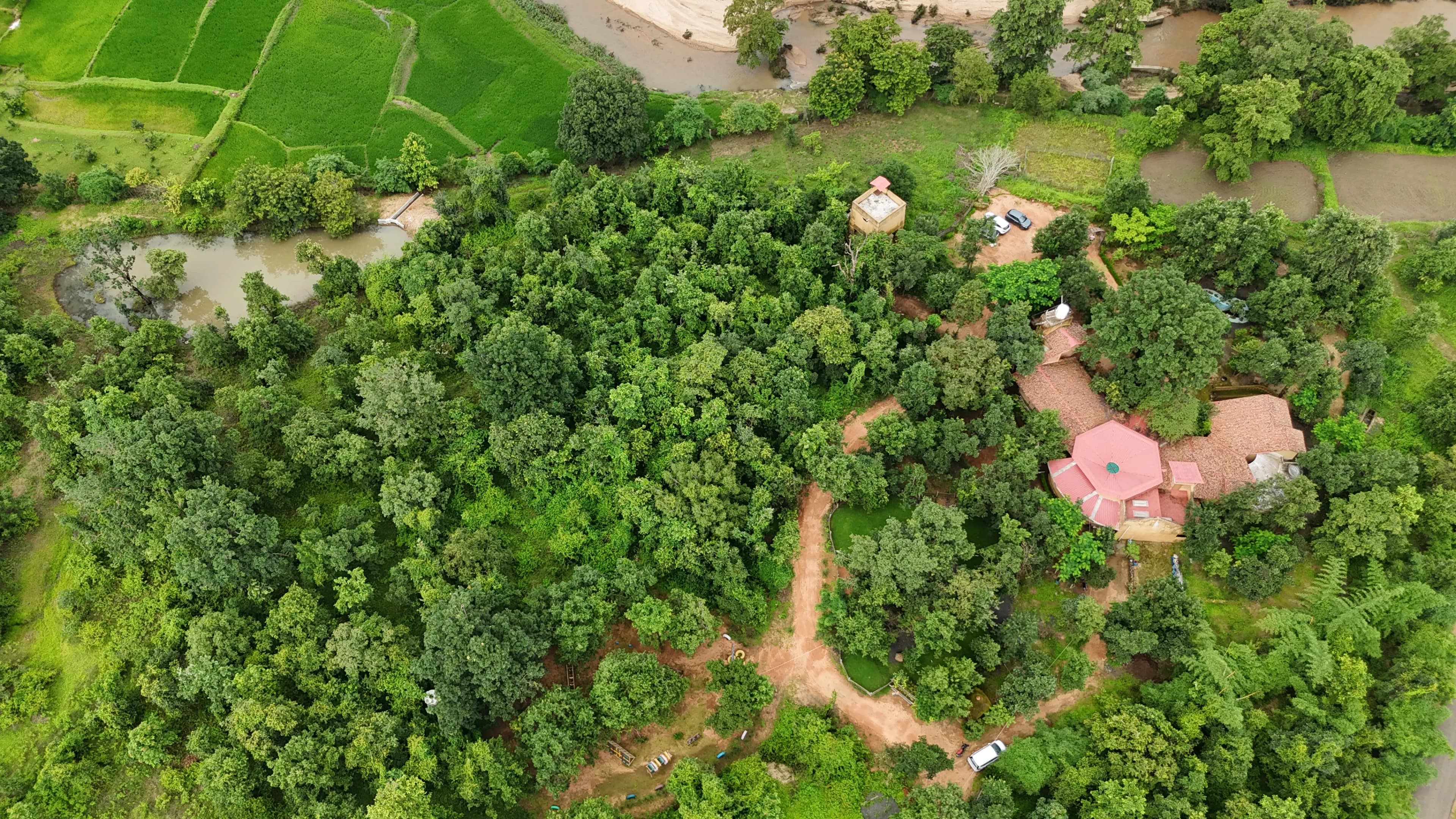
First-time visitors to Kanha are often surprised by two things: how cold a winter safari is, and how hot a May afternoon gets. Kanha sits in the highlands of central India, and its weather swings from near-freezing dawns to fierce dry-season afternoons. Packing for it is easy once you know what to expect.
This checklist covers what is genuinely useful, from the open jeep to the dinner table.
First, understand the open jeep
Kanha safaris are in open-top 4x4 jeeps (Gypsies or similar). There is no roof, no windows and no heater. You will be out for several hours, mostly sitting still and often on dusty forest tracks. Morning drives start around dawn, which in winter means leaving your room in the dark.
That shapes everything below: layers you can peel off, dust protection, and nothing that flaps, rustles or shines.
Season by season
Mid-October to November: post-monsoon
The forest is lush and green, days are warm and pleasant, and mornings are fresh rather than cold.
- A light fleece or jacket for early mornings
- Breathable long-sleeved shirts and trousers
- Insect repellent, as there are still some mosquitoes after the rains
- A light rain layer early in the season
December to February: winter
This is peak season and the coldest time of year. At Surwahi, winter nights can drop to around 4°C, and an open jeep moving through a misty valley at dawn feels colder still. By late morning it warms up pleasantly, so layering is the key.
- A proper warm jacket - down or a thick fleece, not a light windbreaker
- Thermal base layers (top and bottom) for morning drives
- Woolly hat, gloves and a scarf or buff. Your ears and fingers feel the cold first, and gloves you can use a camera in are ideal
- Warm socks and closed shoes
- A blanket. Some guests like to bring a lightweight travel blanket for their knees.
- Lip balm and moisturiser for the dry air
Peel off layers as the sun rises, and keep a small bag in the jeep to stuff them into.
March to June: summer and dry season
The forest thins, water becomes scarce, and many visitors consider this the best time for tiger sightings, as animals gather at waterholes. It is also hot: afternoon temperatures regularly exceed 40°C in April and May.
- Wide-brimmed hat or cap with neck protection
- Light, loose, long-sleeved clothing in natural fabrics. It protects you from the sun better than a T-shirt.
- High-SPF sunscreen and sunglasses
- Refillable water bottle. Drink more than you think you need.
- A buff or bandana to keep dust out of your nose and mouth on dry tracks
- Electrolyte sachets
Mornings in March can still be cool, so keep one light layer for dawn.
July to September: monsoon
Kanha's core zones are closed, but the countryside is spectacular and estate stays like ours stay open.
- A good rain jacket and quick-dry clothes
- Waterproof or quick-drying shoes or sandals with grip
- Insect repellent, used generously
- A dry bag for your phone and camera
Safari colours: what to wear and what to avoid
Wear: olive, khaki, beige, brown, muted greens and greys. These blend into the forest and do not distract the animals or other visitors.
Avoid: bright colours (red, orange, neon) and stark white, which stand out sharply in the forest. Avoid camouflage patterns too, which can look out of place in India and are best left at home.
Choose fabrics that are quiet. Crinkly synthetic jackets can sound surprisingly loud when a tiger is a few metres away.
Camera and optics
Flash photography of wildlife is not appropriate, and drones are not permitted in the reserve.
Documents and money
- Your original photo ID. Safari permits are linked to the ID used to book them. Indian nationals carry the same ID, and foreign nationals must carry their passport. It is checked at the gate. Our guide to Kanha's safari zones explains how permits work.
- Visa and passport copies for international travellers. Indian law requires accommodation providers to record foreign guests' details at check-in.
- Some cash in small notes for tips and small purchases. ATMs are scarce in rural areas.
- Travel insurance details.
Health and comfort
- Personal medicines, with enough for the whole trip
- Insect repellent for dawn and dusk
- Hand sanitiser and tissues or wet wipes for long drives
- Motion-sickness tablets if bumpy tracks bother you
- A small torch or headlamp, because village roads and estate paths are dark at night
What to leave at home
- Strong perfumes and scented lotions on safari days
- Bright or noisy clothing
- Single-use plastic bottles. We provide filtered water to refill your bottle.
- Drones
- The expectation of constant connectivity. At Surwahi, WiFi is limited to common areas and mobile signal is patchy. Think of it as part of the break.
For the estate
Between safaris, you will be walking, gardening, cooking or painting with us, so add:
- Comfortable walking shoes for estate and village walks
- A swimsuit if you would like to use our natural pool
- Clothes you do not mind getting muddy for pottery, farm and Build With Mud sessions
- Modest clothing for village walks (shoulders and knees covered is a good rule)
A winter morning safari outfit, head to toe
If you are visiting between December and February, this combination works well for a 6 am departure:
By about 9 am you will probably be down to the shirt and fleece, so a small soft bag to stuff the rest into keeps the jeep tidy.
Packing for children
Families are very welcome on safari, but children feel the cold, the heat and the boredom faster than adults. A few extras help:
- An extra warm layer and a blanket in winter, and a cooling towel and hat in summer
- Snacks and a full water bottle for long drives
- A small pair of child-sized binoculars and a simple animal and bird checklist to tick off
- Something quiet to do during long waits, such as a sketchbook
- Any comfort items they sleep with, because a new place feels less strange with a familiar toy
Check the park's current age rules for core zones before you book; we are happy to confirm them for you.
Frequently asked questions
What should I wear on a Kanha safari in winter?
Layers. For a dawn drive between December and February, wear a thermal base layer, a long-sleeved shirt, a fleece and a warm windproof jacket, with a hat, gloves and closed shoes. Peel layers off as the sun comes up.
How cold does a Kanha safari get?
Winter nights at Surwahi can drop to around 4°C, and an open jeep moving at dawn feels colder than the thermometer suggests. By late morning it is usually pleasant.
What colours should I avoid on a Kanha safari?
Avoid bright colours, neon and stark white, which stand out in the forest. Olive, khaki, beige, brown and muted greens are ideal. Leave camouflage patterns at home.
Do foreign tourists need a passport for a Kanha safari?
Yes. Safari permits are linked to the ID used when booking, and foreign nationals must carry their original passport, which is checked at the gate.
Can I fly a drone in Kanha?
No. Drones are not permitted in the reserve.
Quick checklist
- Layered clothing in neutral colours, weighted to the season
- Warm hat, gloves and jacket (winter) or sun hat, sunscreen and long sleeves (summer)
- Binoculars, camera, spare batteries and a dust cover
- Original ID or passport, plus copies
- Refillable bottle, repellent, personal medicines
- Headlamp and power bank
Packed and ready? Plan your trip with our Kanha safari packages, read our guide for international travellers, or check the best time to visit Kanha. First tiger safari? Read our first tiger safari in India guide.


